
Sewer Inspection in Pleasant Hill, CA
Buying in Gregory Gardens, selling near Poets Corner, or chasing a slow drain off Contra Costa Boulevard? We run a sewer camera the full length of your Pleasant Hill lateral and give you a recorded video and a written report you can act on.
What's Under a Pleasant Hill House
Pleasant Hill is older than it looks. U.S. Census estimates put the median Pleasant Hill home at 1972, and about 47% of the city's housing was built before 1970. Roughly 38% dates to the 1950s and 1960s alone — the post-war building years that produced neighborhoods like Gregory Gardens.
Central San, the sanitary district that serves Pleasant Hill, says older laterals are typically made of vitrified clay, which is particularly susceptible to roots. The joints are the weak point: a root finds the seam, opens it, and fills the pipe. A lateral that has carried a household's wastewater for sixty years can be holding a root mass, a cracked section, or a sag that collects water without any warning inside the house.
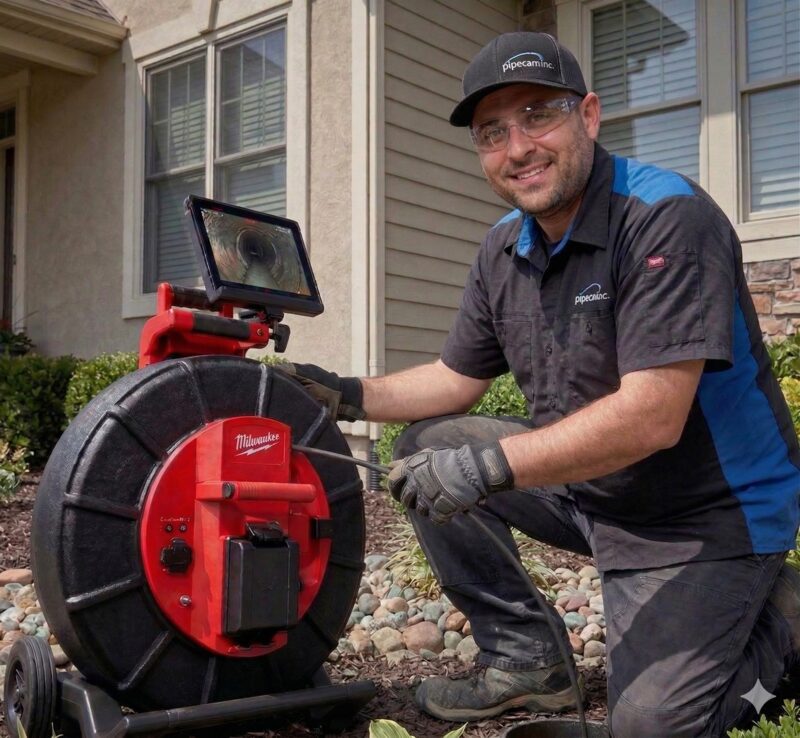
A camera inspection is how you find out. We run a waterproof camera from the cleanout to the public main, record the whole run, and note the distance to every defect so any repair can be planned precisely.
- ✓Full camera run from the cleanout to the public main
- ✓Recorded video you keep
- ✓Written report noting roots, cracks, offsets and sags
- ✓Pre-listing and in-escrow inspections
- ✓A straight answer when the line is fine
- ✓Owner on every job
Who Owns the Sewer Pipe in Pleasant Hill?
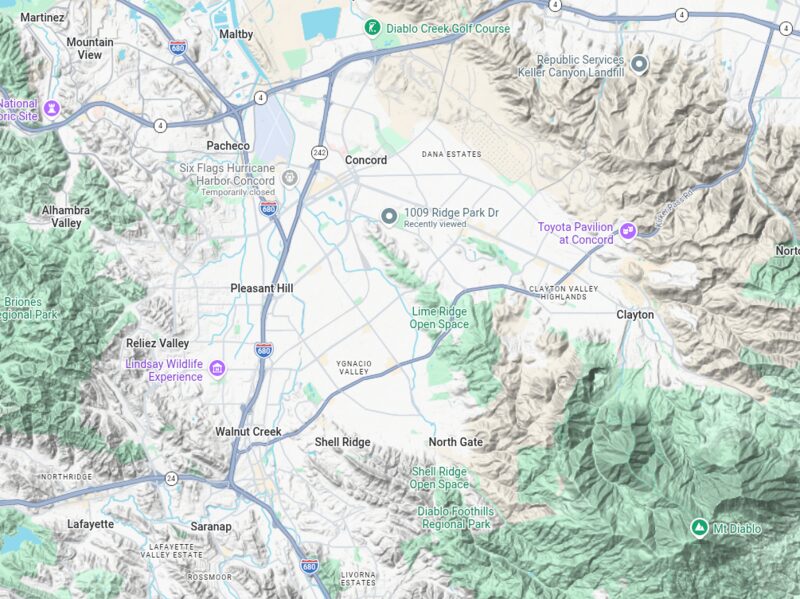
Pleasant Hill's public sewers belong to the Central Contra Costa Sanitary District (Central San). Your lateral does not. Central San's rule is that each property owner is responsible for the entire sewer from the house to where it connects to Central San's main — including the section beneath the sidewalk and the street.
That matters when you buy. A broken pipe under the street is still the homeowner's bill, so our inspection covers the lateral all the way to the main, not just the part under the lawn.
One more thing worth checking on a Pleasant Hill purchase: Central San says about 40% of its sewer pipes are on private property, in easements. If a Central San main crosses the lot, trees and permanent structures such as a garage, pool, deck or ADU aren't allowed in the easement area. The preliminary title report shows whether an easement is recorded on the deed.
How Our Inspections WorkIf the Camera Finds a Problem
Not every defect means a new sewer line. Roots at a single joint may only need a root cut and a check-up inspection later. One broken section can often be handled with a spot repair. A lateral that is cracked or sagging along much of its length is a candidate for trenchless replacement. We show you the footage and explain which of those fits your line — and when nothing needs doing at all. We handle root cuts and cleaning; for a spot repair or a replacement, call us and we'll help you with next steps.
Any sewer work outside the footprint of the house needs a Central San permit and inspection by a Central San inspector. If a repair means digging in the street, an encroachment permit from the city is needed as well. A proposal that doesn't mention permits is a red flag.
About Spot Repairs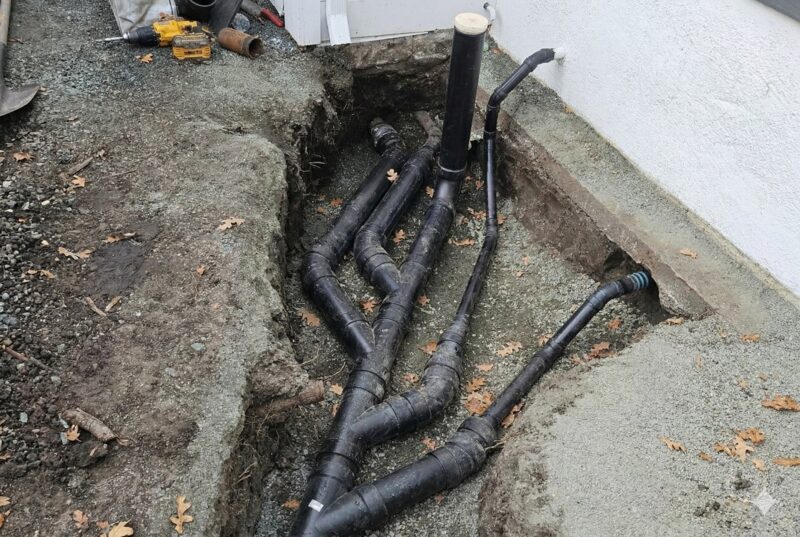
Sewer Services in Pleasant Hill, CA
Sewer Lateral Inspection
The full lateral on camera, cleanout to main, with a written report for your agent or buyer.
Learn More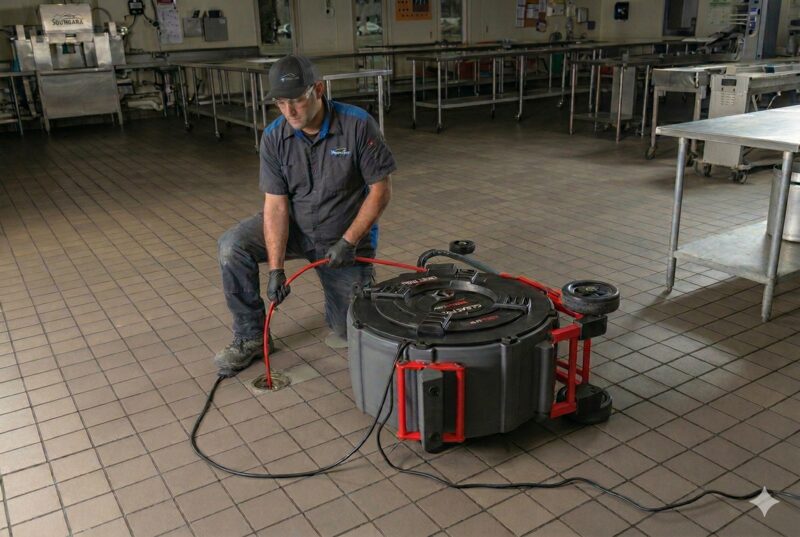
Root Cuts & Line Cleaning
Clears roots from old clay joints and restores flow, verified on camera.
Learn More
Spot Repairs
One damaged section of a Pleasant Hill lateral? We pinpoint it on camera and help you with next steps.
Learn MorePleasant Hill Sewer Questions, Answered
More city guides: Concord · Walnut Creek · Martinez · Danville · Livermore · Central Contra Costa County